Indian cinema has always been rich in stories, but as a part of audiovisual media, many films go beyond narratives and focus on conveying meaning through pure visual language. These visual treats redefine how we see emotions, light, shadow, culture, location and space. Here are our top 5 visually stunning movies in Indian cinema.
1. Pather Panchali (1955)
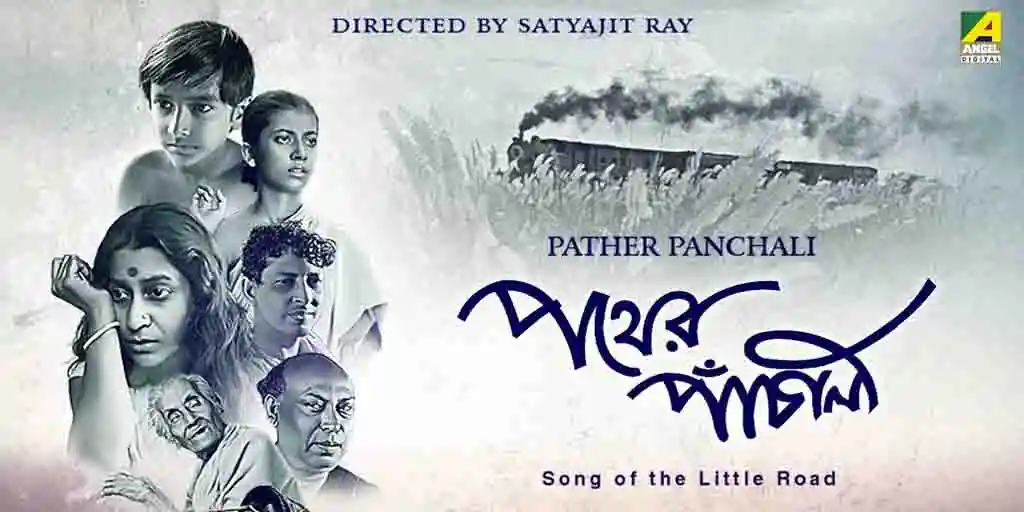
Ray’s Pather Panchali is not just a milestone in Indian cinema; it is a global landmark in visual storytelling. Shot by a young Subrata Mitra, the film introduced natural lighting techniques that were revolutionary for their time. His “bounce lighting” method, now a global industry standard, was pioneered right here.
The film’s visual language is gentle yet profound: the iconic train sequence, the rain-soaked fields, and the everyday poetry of rural Bengal. Every frame carries emotion without dramatic exaggeration. It is realism at its purest, making Pather Panchali one of the best visually stunning movies ever made.
2. Ship of Theseus (2013)

A deeply philosophical anthology film, Ship of Theseus uses cinematography as meditation. Pankaj Kumar’s visuals do the heavy lifting with long, fluid takes, thoughtful compositions, and stunning contrasts between urban spaces and internal conflict.
Each story within the anthology is shot in a distinct visual style:
- Dreamy abstraction for the photographer
- Textured naturalism for the monk
- Gritty documentary realism for the stockbroker
The film treats the camera like a thinking entity, not just a recording tool. It’s one of the best examples of modern Indian cinematography, bold, conceptual, and emotionally intelligent.
3. Tumbbad (2018)

Tumbbad is a masterclass in atmosphere. From relentless rains to candlelit corridors, its cinematography creates a world that feels ancient, cursed, and suffocatingly real. The film’s visual palette, with deep reds, browns, and golds, mirrors its themes of greed and darkness. Every frame looks like a painting dipped in dread.
The lighting in Tumbbad is particularly groundbreaking. Much of the film was shot using natural or minimal artificial light to maintain authenticity. This visual commitment turned Tumbbad into a global case study in atmospheric filmmaking and remains unmatched in Indian fantasy-horror cinema.
4. Sardar Udham (2021)
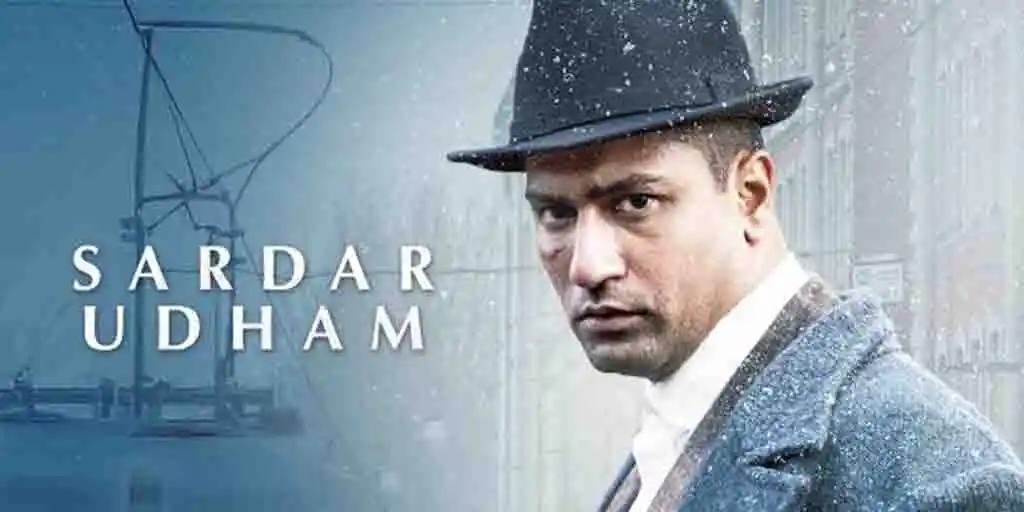
Historical drama rarely looks this immersive. Avik Mukhopadhyay builds a visual world of oppressive colonial landscapes, cold European winters, and the emotional devastation of political trauma.
Instead of dramatizing history with exaggerated visuals, Sardar Udham opts for realism:
- muted palettes
- handheld long takes
- slow-burning tension
- vast, detailed production design
The climactic Jallianwala Bagh sequence shot with haunting restraint is one of the most harrowing visual recreations ever attempted in Indian cinema.
Sardar Udham is a modern benchmark for large-scale historical cinematography done with dignity and precision.
5. The Disciple (2020)
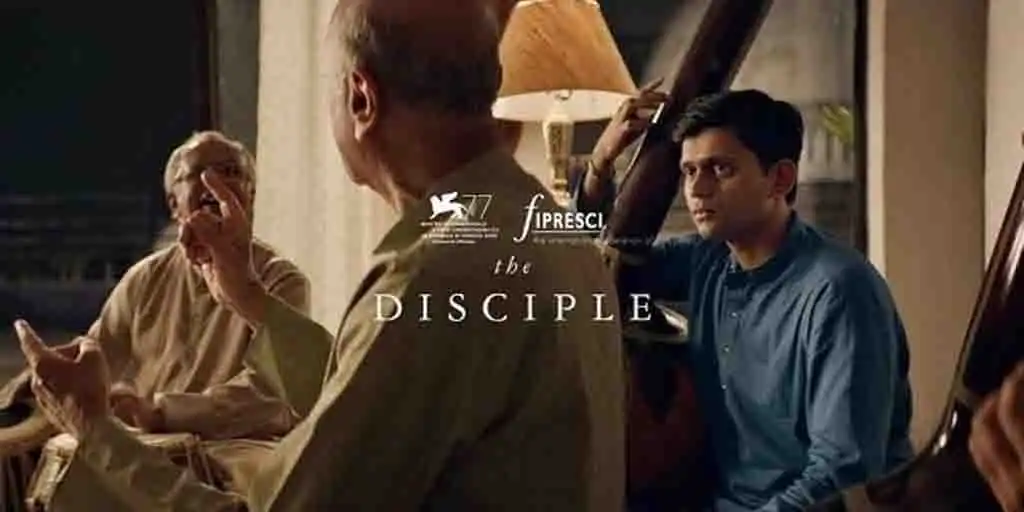
Chaitanya Tamhane’s The Disciple is a quiet, meditative exploration of art and identity that is reflected beautifully in its minimalist cinematography. Sobociński uses stillness as a visual tool with wide frames, long takes, and gentle camera movements that let the silence speak.
The film’s visuals are observational rather than expressive. Instead of moving with emotion, the camera watches, listens, and allows viewers to sit inside the protagonist’s inner conflict.
The use of nighttime Mumbai roads, empty auditoriums, and lonely practice rooms creates a visual portrait of artistic solitude. Its photography has been praised worldwide for its stillness and emotional honesty.
Conclusion: A Legacy of Visual Brilliance
Indian cinema is far too vast and diverse to be confined to one aesthetic. Yet, these five films stand out not just for their beauty but for how they used cinematography to deepen storytelling. For film buffs, students, or anyone who appreciates cinema as an art form, these visually stunning movies are a must-watch. They are not just films; they are cinematic journeys that stay with you long after the screen fades to black.
If you want more curated recommendations, deep dives, and visual storytelling guides, keep visiting DHOOMDB.
Frequently Asked Questions (FAQs)
1. What makes a movie “visually stunning”?
A film is called visually stunning when every frame feels intentional because the lighting, framing, colours, movement, and mood come together to tell a story even without dialogue. It’s when you can pause the film at any point and the frame still feels like art.
2. Why are visually stunning movies important in Indian cinema?
India is known for strong storytelling, but cinematography often elevates that storytelling to a deeper emotional experience. Visually stunning movies push creative boundaries, introduce new filmmaking techniques, and show the world that Indian cinema can blend powerful narratives with world-class visuals.
3. Are visually rich films only for people who love “art cinema”?
Not at all, movies like Tumbbad, Masaan, or Sardar Udham prove that the best visually stunning films can also be gripping, entertaining, and emotionally impactful. You don’t have to be a cinephile to appreciate great visuals, you just have to enjoy good movies.
4. Where can I watch these visually stunning Indian movies?
Most of these films are available on major platforms like Netflix, Amazon Prime Video, Hotstar, Zee5, or SonyLIV. Availability keeps changing, but a quick search on these platforms usually does the trick.
5. Why did this list focus on only five movies?
Instead of making a long listicle, this blog highlights five films that truly shifted how Indian cinema thinks about visuals. Each of them represents a different style, from Ray’s simple realism to Tumbbad’s atmospheric fantasy, offering a balanced look at India’s finest cinematography.